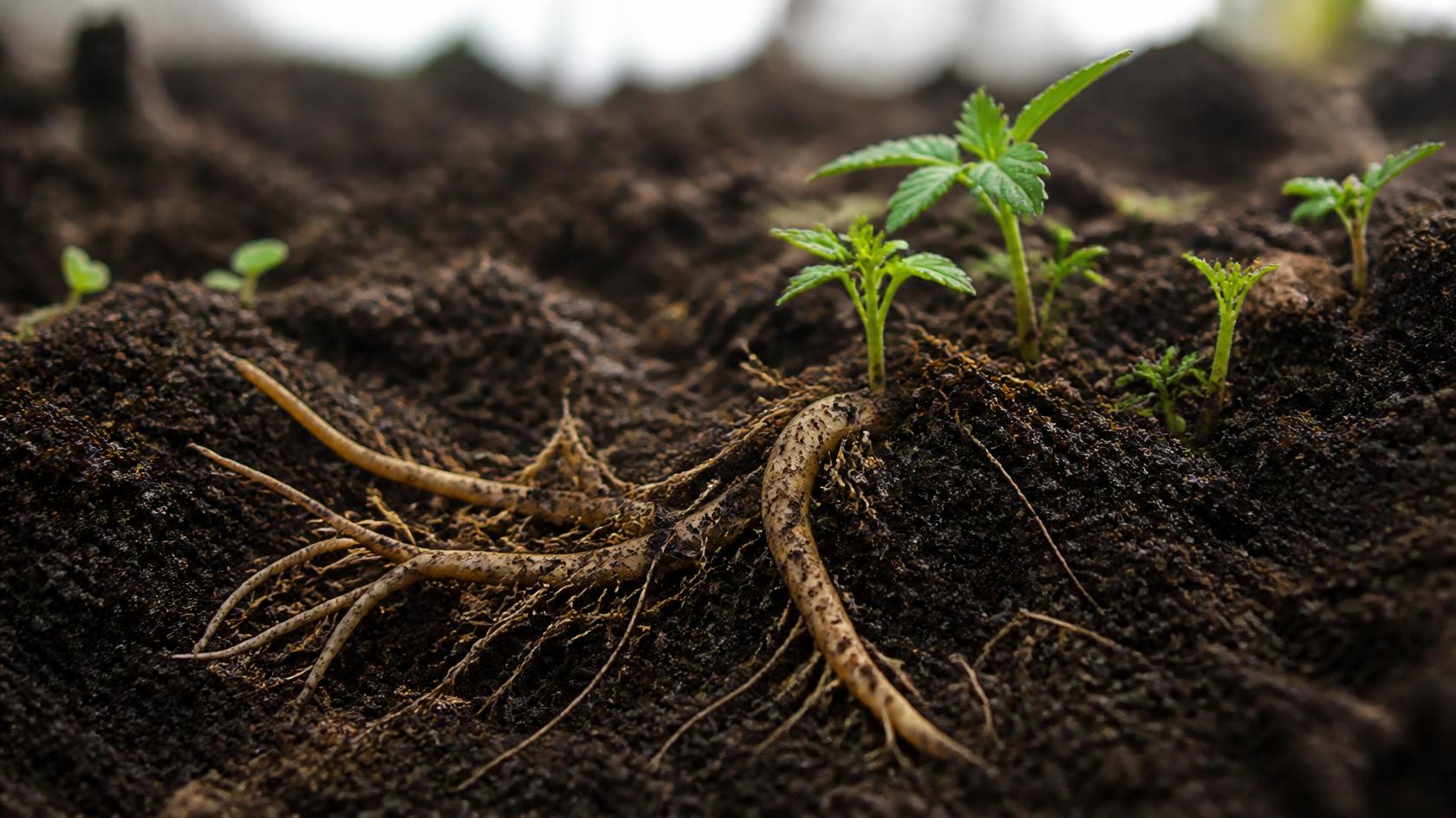
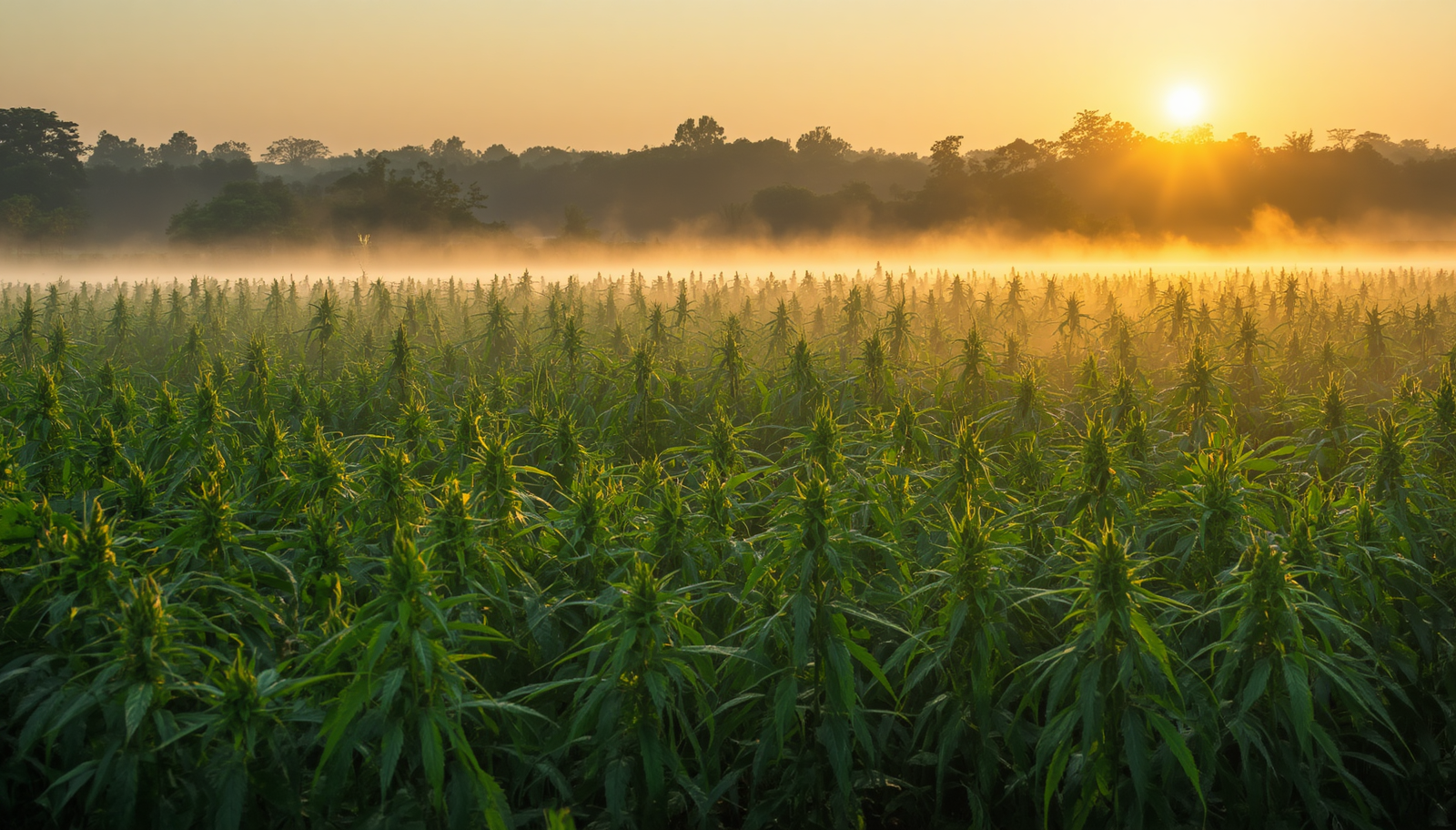

In an age of environmental awareness, hemp shines as one of the most sustainable crops on earth. It grows quickly, often reaching maturity in just three to four months, and requires far less water than many conventional crops. It naturally suppresses weeds, reducing the need for chemical herbicides, and even improves the health of the soil it grows in.
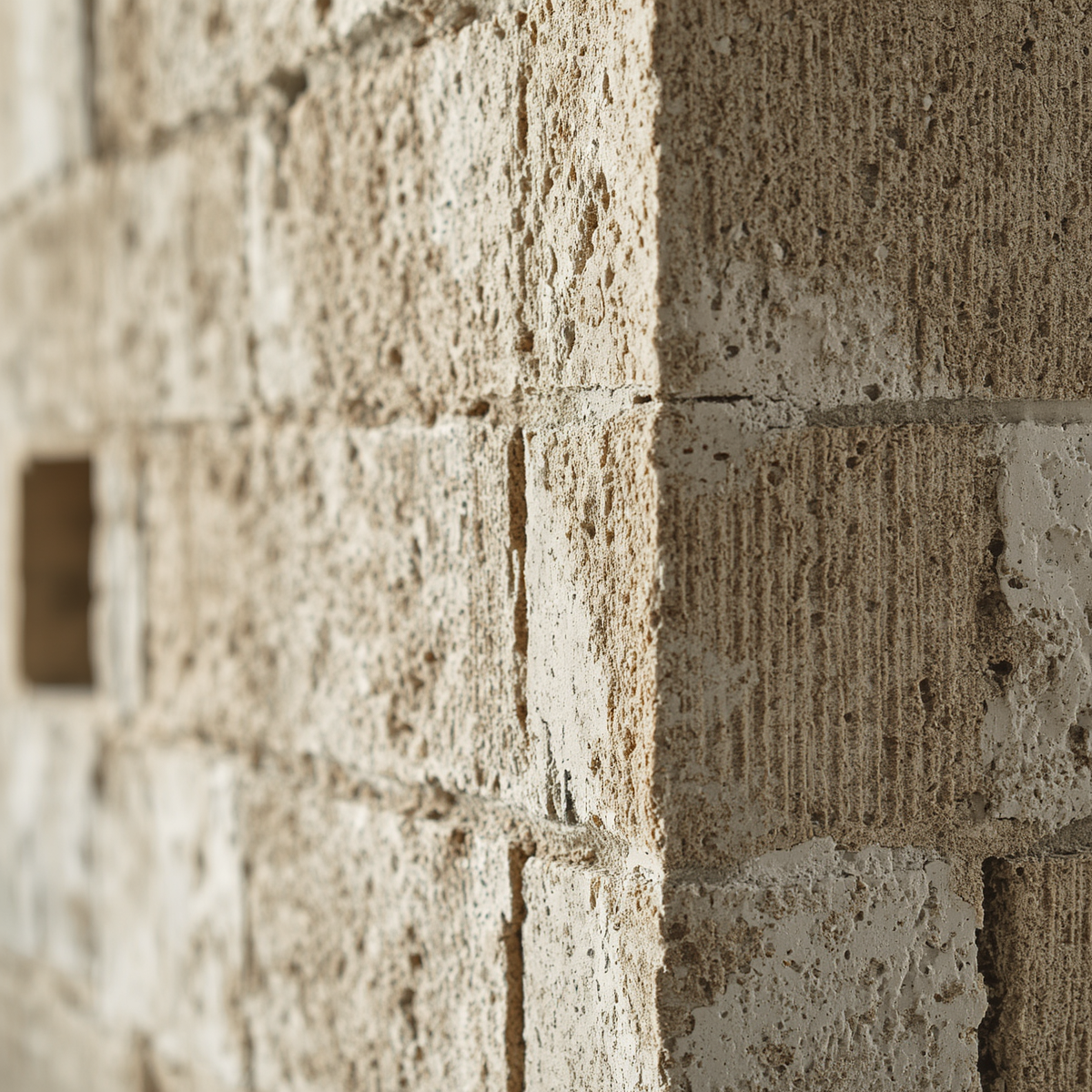
Hemp is also a powerful ally against climate change. As it grows it absorbs significant amounts of carbon dioxide, and it can be transformed into sustainable materials such as hempcrete for building and biodegradable alternatives to plastic. This hall looks at how a plant from humanity's distant past may hold real answers for our shared future.
8–15 tonnes per hectare
Research from Cambridge University's Centre for Natural Material Innovation found that a single season of hemp can absorb 8 to 15 tonnes of CO₂ per hectare — roughly twice what a typical forest captures in the same period.